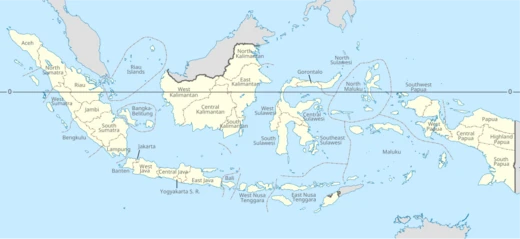
Bengkulu
Indonesian province on Sumatra's southwest coast, formerly British Bencoolen.

Bennylin · CC BY-SA 3.0
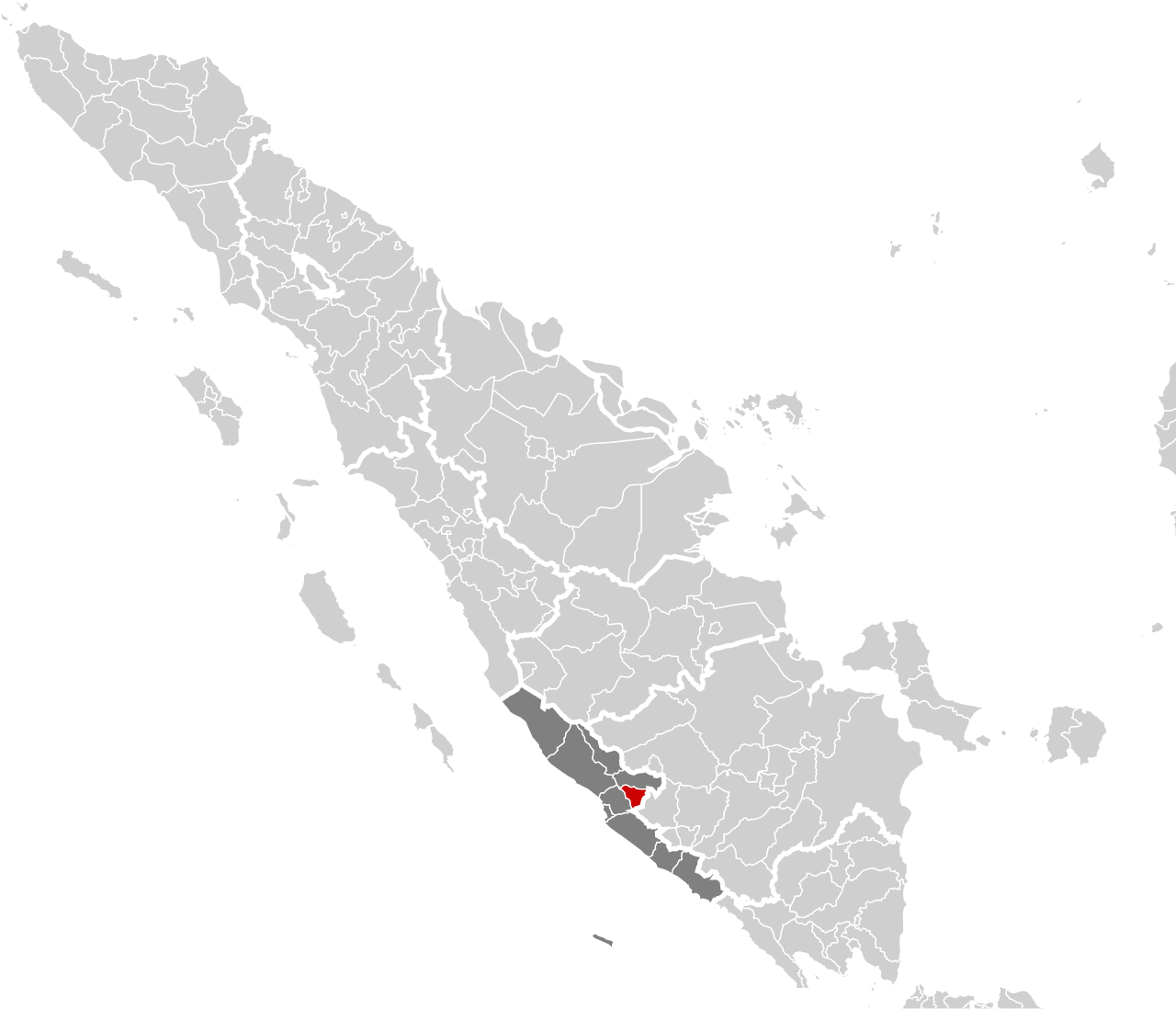
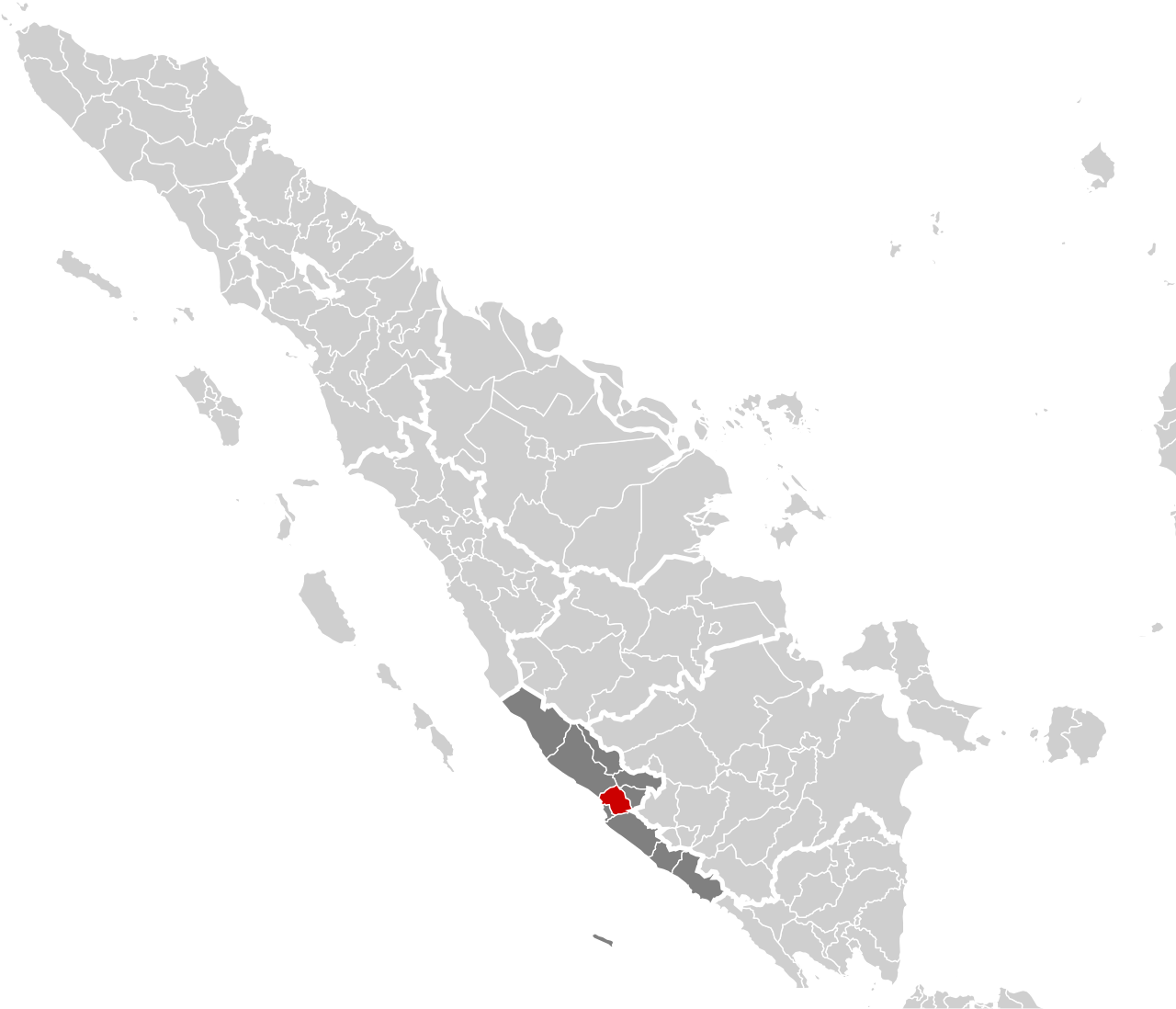
Bengkulu, historically known as Bencoolen, is a province of Indonesia located on the southwest coast of Sumatra. The province is notable for its history as a British colonial outpost and for being the place where future Indonesian president Sukarno was exiled and met his wife Fatmawati.
- Largest ethnic group
- Rejang (22-30%)
Lore & Background
The region was subject to the Buddhist Srivijaya empire in the 8th century, and later became a vassal of the Minangkabau's Inderapura Sultanate, before briefly falling under the influence of the Banten Sultanate in the early 16th century. The trading post was never profitable, hampered by an unpleasant location and insufficient pepper.
Reader's Guide
Bengkulu's significance lies in its unique colonial history as a British enclave within the Dutch East Indies, and its role in Indonesian independence through Sukarno's exile there. Despite natural resources such as coal, gold, and geothermal potential, Bengkulu remains less developed than other Sumatran provinces. Its cultural diversity includes the Rejang majority and numerous indigenous languages, with Rejang being the only Bornean language spoken in Sumatra.
Did You Know?
- Bengkulu's name is traditionally said to derive from 'bangkai' and 'hulu', meaning 'carcasses upstream', from a war between small kingdoms.
- Sukarno, Indonesia's first president, was exiled in Bengkulu and met his wife Fatmawati there; their daughter Megawati Sukarnoputri became Indonesia's first female president.
Colonial Crossroads: Two Empires, One Coast
For nearly two centuries, Bengkulu sat at the crossroads of European imperial ambition on Sumatra's southwest shore. The Portuguese were the first Europeans to reach the area, followed by the Dutch in 1596, but it was the British East India Company that planted the deepest roots. In 1685 the EIC established a pepper-trading post and garrison, and in 1714 they raised Fort Marlborough, a structure that still stands today. The venture, however, never turned a profit; Europeans found the climate unpleasant and local pepper supplies proved insufficient, reducing the outpost to an occasional stop for East Indiamen. In 1785 the territory was formally folded into the British Empire as Bencoolen, while the rest of Sumatra fell under the Dutch East Indies. Sir Stamford Raffles served as Lieutenant-Governor from 1818 to 1824, enacting reforms that included the abolition of slavery and leaving behind monuments and forts. After roughly 140 years of British presence, the Anglo-Dutch Treaty of 1824 ceded Bengkulu to the Netherlands in exchange for Malacca, and the region remained under Dutch rule until the Japanese occupation of World War II.
The Exile That Shaped a Nation
In the early 1930s, the Dutch colonial authorities imprisoned Sukarno, the man who would go on to become Indonesia's first president, and briefly held him in Bengkulu. It was during this period of confinement that he met Fatmawati, who would become his wife. Their union produced several children, most notably Megawati Sukarnoputri, who decades later made history as Indonesia's first female President. The small coastal province thus became, in an ironic twist, the cradle of a political dynasty that would shape the nation's modern trajectory. After independence, Bengkulu was initially absorbed into the larger South Sumatra Province, a territory that also encompassed Lampung, the Bangka-Belitung Islands, and what is now South Sumatra itself. It was not until 18 November 1968, when Law No. 9 of 1967 and Government Regulation No. 20 of 1968 took effect, that the historic Bencoolen Residency was formally carved out as Indonesia's 26th province, preceding East Timor in the sequence of provincial creations.
A Land of Riches and Risks
Stretching roughly 20,122 square kilometres—comparable in size to Slovenia or the U.S. state of Massachusetts—Bengkulu occupies the western flank of the Bukit Barisan mountain range, with a hilly eastern interior and a plateau vulnerable to erosion. Its western edge is defined by 525 kilometres of Indian Ocean coastline, running from Dusun Baru Pelokan in Mukomuko Regency to Tebing Nasal in Kaur Regency, and it also encompasses the offshore Mega Island and Enggano Island. Beneath the surface lie substantial deposits of coal and gold, alongside large untapped geothermal potential. Yet the province remains less developed than its Sumatran neighbours. Compounding this, Bengkulu sits near the Sunda Fault, making it acutely vulnerable to seismic events. The June 2000 Enggano earthquake claimed at least 100 lives, and a series of tremors in September 2007 killed 13 more. Recent assessments warn that undersea earthquakes along Sumatra's coast could inundate coastal areas over the coming decades.
Administrative Identity and the Human Development Question
Today Bengkulu is divided into nine regencies and the city of Bengkulu, which serves as both capital and the province's sole independent city. It ranks 28th among Indonesian provinces by area and 26th by population, with the 2020 Census recording 2,010,670 residents and a mid-2025 official estimate projecting 2,138,044 inhabitants, slightly more male than female. The province borders West Sumatra to the north, Jambi to the northeast, Lampung to the southeast, and South Sumatra to the east, while the Indian Ocean wraps around its western, southern, and northwestern shores. On the human development front, Badan Pusat Statistik data placed Bengkulu at the eleventh-highest HDI score among provinces, with a 2013 index of roughly 0.744. Life expectancy reached 70.35 years by 2014, positioning the province 20th nationally, though its gross domestic product ranked only 28th. These figures paint a picture of a province with meaningful human capital yet still catching up economically to its better-resourced neighbours on the island.
Gallery
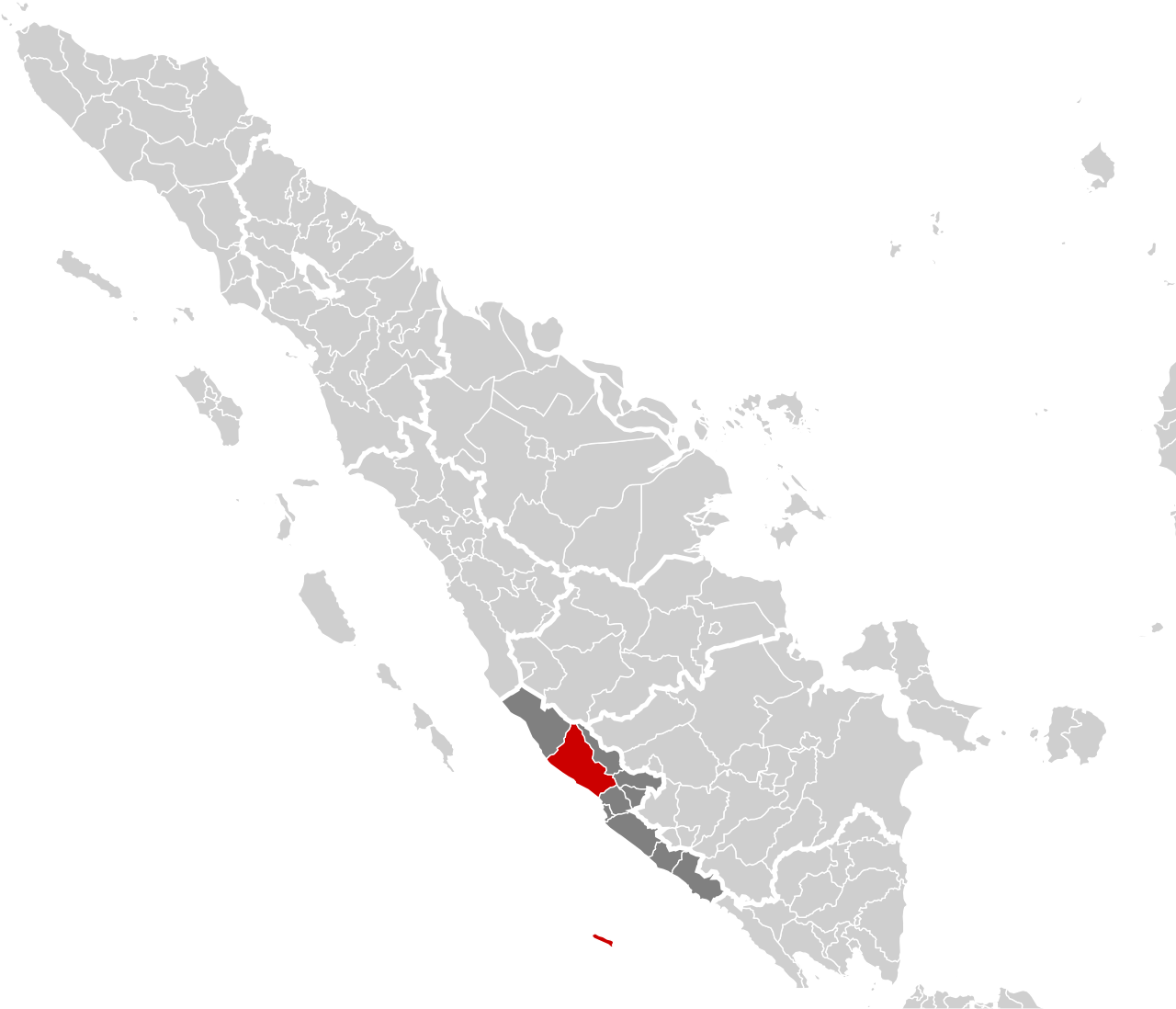
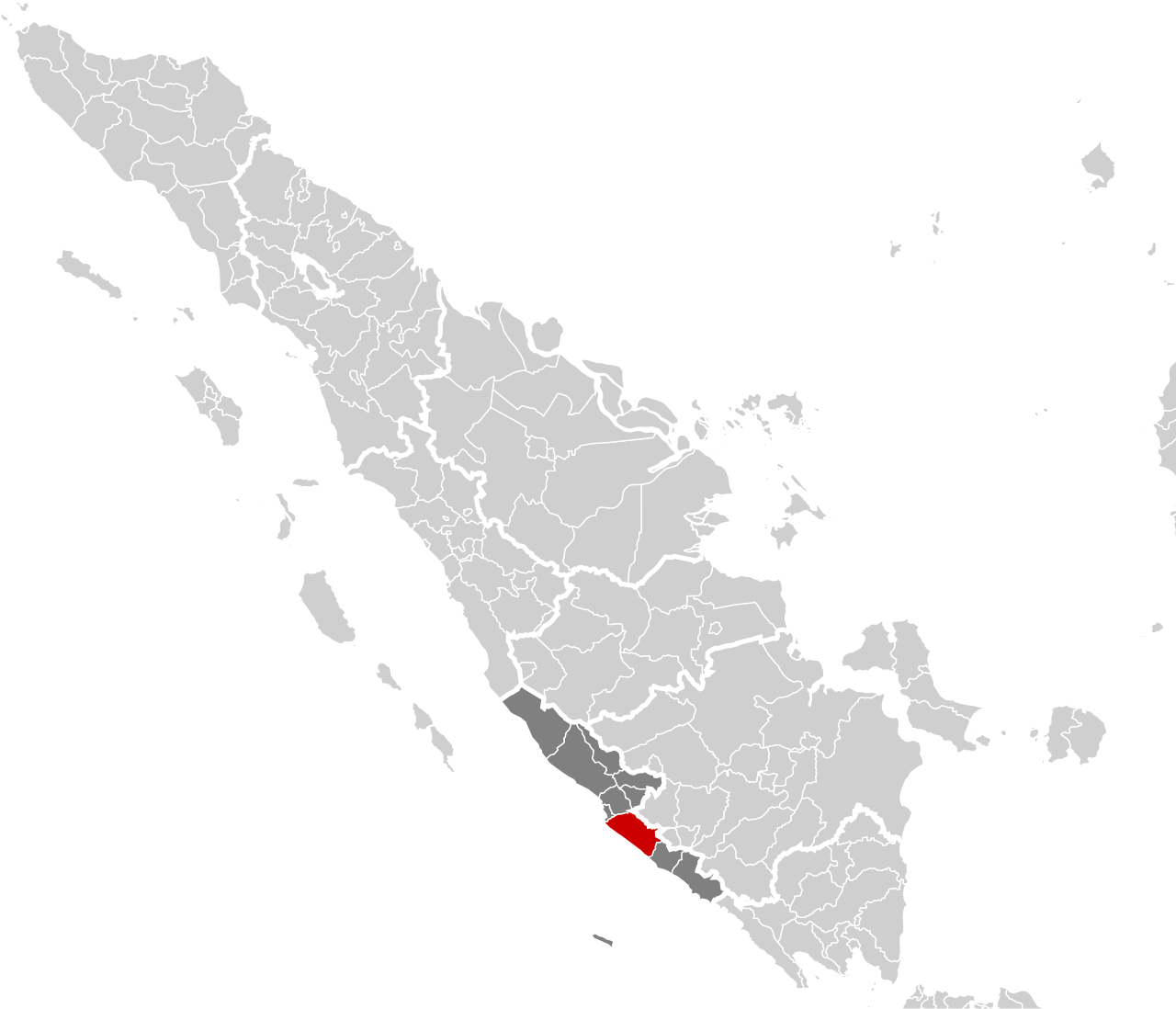
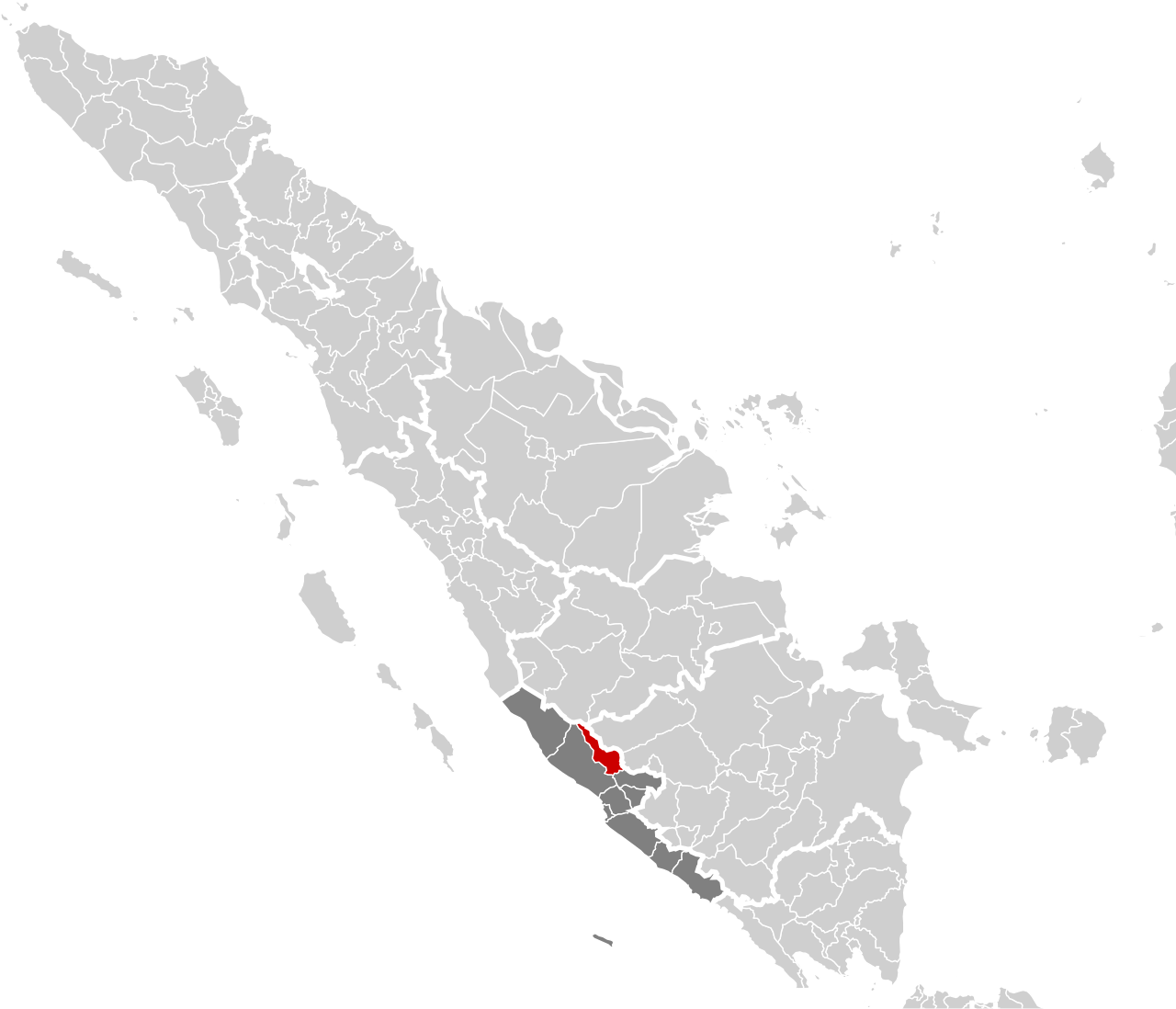
Frequently Asked Questions
What is Bengkulu's role in national history?
The province spent much of the 18th and 19th centuries as a British trading outpost on Sumatra's coast. It also carries deep personal significance in Indonesia's founding story, since it was the exile island where Sukarno met the woman who would become his wife, Fatmawati.
Where exactly is Bengkulu located?
It sits along the southwest coastline of the island of Sumatra, facing the Indian Ocean. The provincial capital, the city of Bengkulu, anchors that same stretch of coast.
Who makes up Bengkulu's population?
The Rejang people are the single largest ethnic group in the province, representing roughly a quarter to a third of all residents. The rest of the population is a mix of other Sumatran and migrant communities.
More in Provinces Of Indonesia 1-24
Elsewhere in the Provinces Of Indonesia universe
Spotted an error? Know more?
This is a living reference — every entry is fact-audited, and reader corrections feed straight into our audit queue. Suggest an edit · See this site's audit record