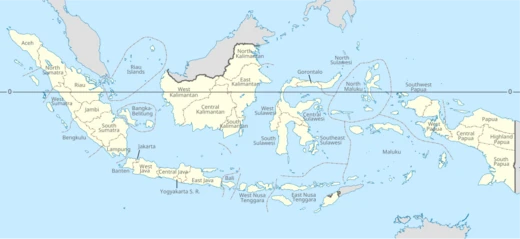
Special Region of Yogyakarta
Only officially recognized diarchy in Indonesia, co-ruled by Sultan and Duke.

Crisco 1492 · CC BY-SA 4.0
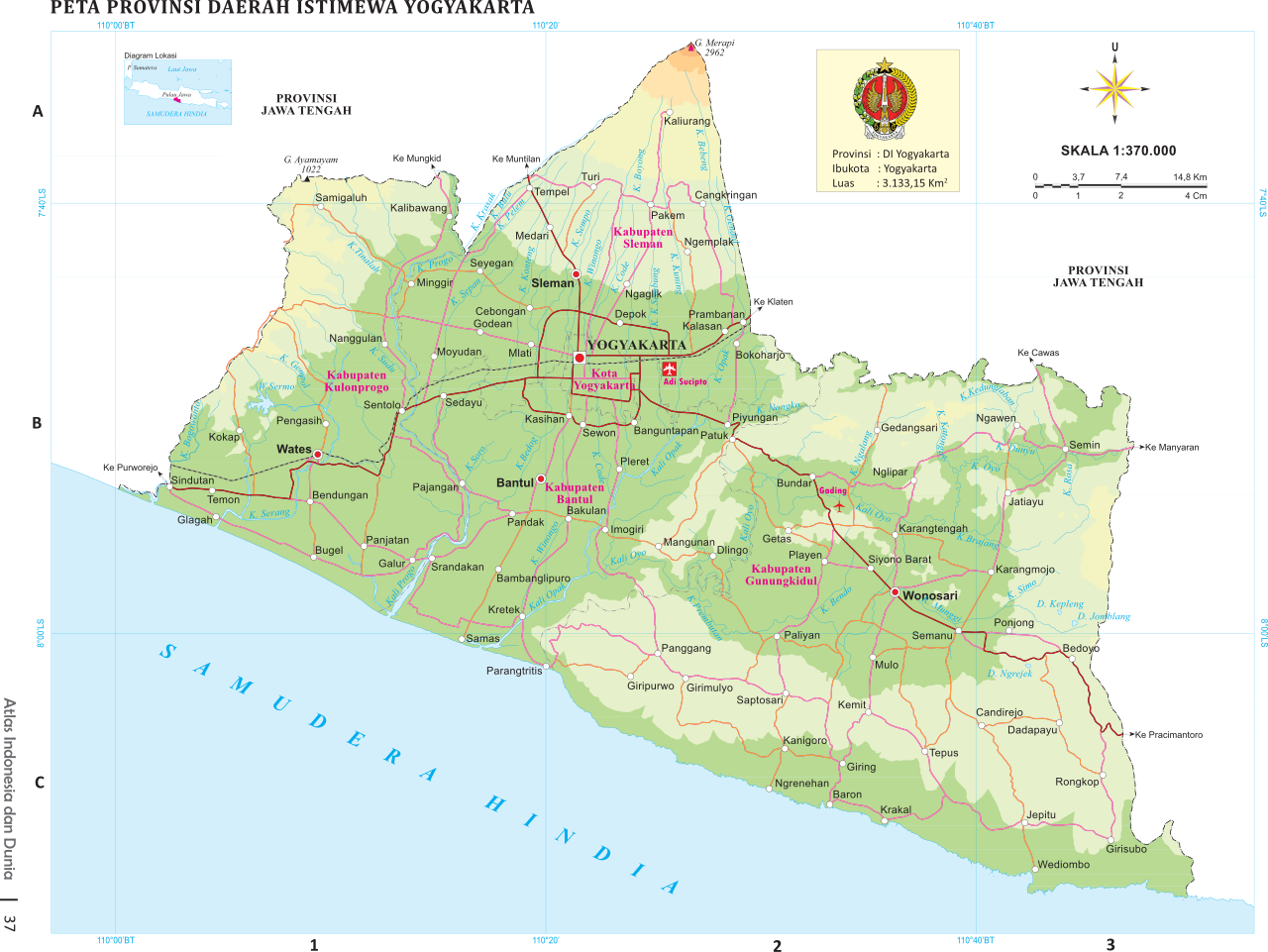
The Special Region of Yogyakarta is a province-level special region of Indonesia, located in southern Java. It is a semi-enclave surrounded by Central Java Province on the landward side and the Indian Ocean to the south. Co-ruled by the Yogyakarta Sultanate and the Duchy of Pakualaman, it is the only officially recognized diarchy within the government of Indonesia. The region is a popular tourist destination and cultural center, known for its classical Javanese fine art and culture.
Lore & Background
In August 1945, after Indonesia's independence proclamation, Sultan Hamengkubuwono IX and Duke Sri Paku Alam VIII expressed support for the new nation, acknowledging the sultanate as part of the Republic. In 1950, Yogyakarta was granted full special administrative status, making it the only region headed by a monarchy in Indonesia.
Reader's Guide
The Special Region of Yogyakarta holds a unique place in Indonesian history as the only officially recognized diarchy, co-ruled by the Sultan of Yogyakarta and the Duke of Pakualaman. Its unwavering support for Indonesian independence during the National Revolution led to its special status, and it remains a cultural and educational center, known for classical Javanese arts and higher education. The region's governance is rooted in tradition, with the governor and vice governor appointed from the ruling families. Despite being the second-smallest province-level entity, it has high population density and is a major tourist destination. The region also suffered a devastating earthquake in 2006 and is near the active Mount Merapi volcano.
Did You Know?
- The region is the only officially recognized diarchy in Indonesia, co-ruled by the Yogyakarta Sultanate and the Duchy of Pakualaman.
- The region has nine declared geo-heritage sites, including pillow lava in Berbah and a prehistoric volcano in Nglanggeran.
- Javanese is designated as an official language of the region under a 2021 regulation.
The Only Diarchy in Indonesia
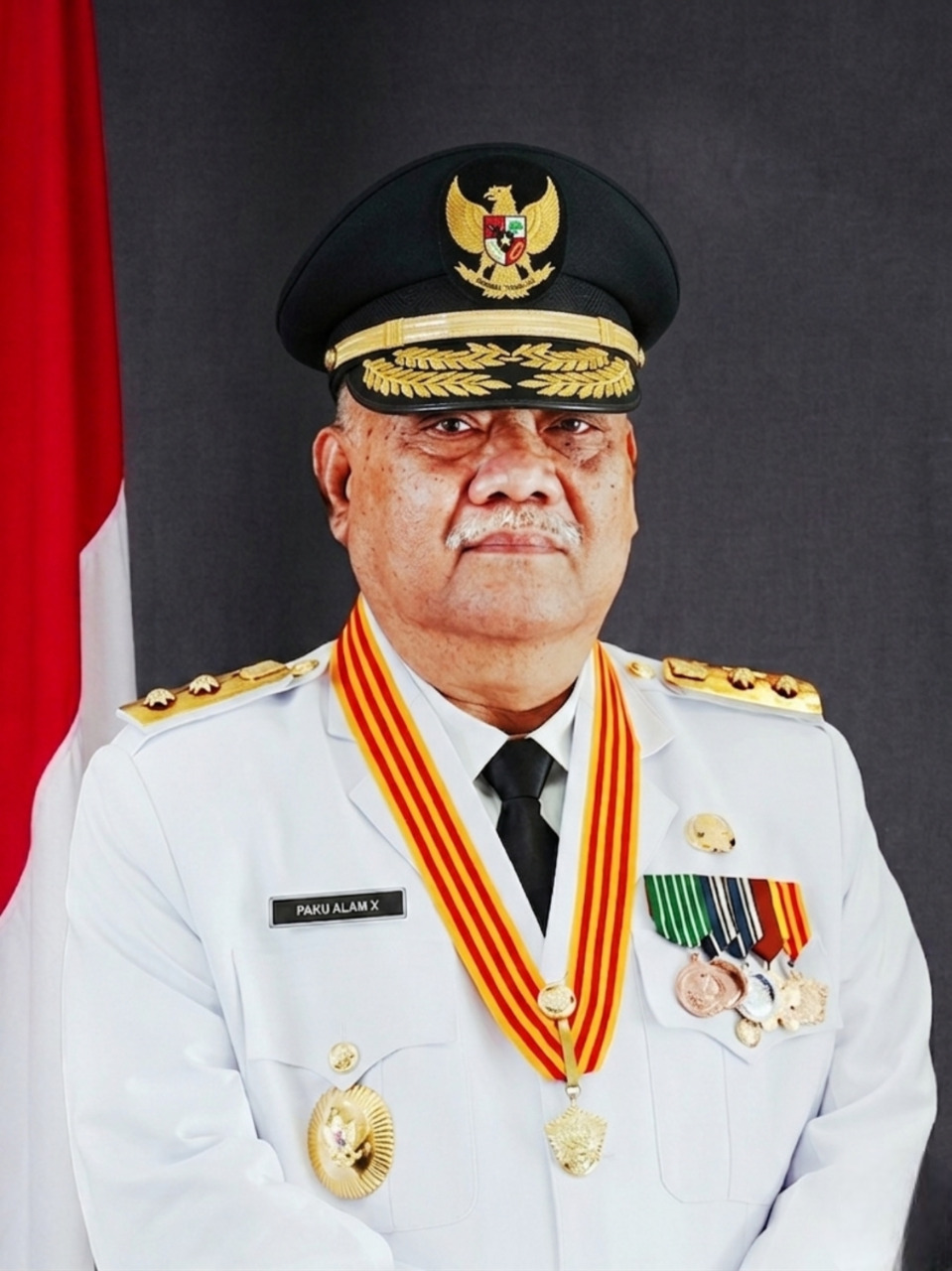
The Special Region of Yogyakarta holds a singular place in Indonesian governance as the nation's sole officially recognized diarchy. Unlike every other province, its leadership is shared between two royal houses: the Yogyakarta Sultanate, established in 1755, and the Duchy of Pakualaman. Sultan Hamengkubuwono X serves as governor while Duke Paku Alam X holds the vice governorship. This arrangement traces its legal roots to Act No. 22 of 1948, which also underpins Act No. 3 of 1950 on the formation of the region. The law stipulates that the head and vice head must be appointed by the president from among descendants of the ruling families who existed before Indonesian independence, selected based on skill, honesty, loyalty, and respect for local customs. Until 1988, the governorship automatically fell to the reigning Sultan, and until 1998, the vice governorship belonged to the Prince Paku Alam on the throne. The formal titles of Governor and Vice Governor were only adopted in 1999 through Act No. 22 of 1999. This monarchical structure makes Yogyakarta the only region in Indonesia still headed by a monarchy.
Pillar of a New Nation
During the turbulent years of Indonesia's struggle for independence, the Yogyakarta Sultanate proved indispensable to the young republic. In September 1945, just weeks after Sukarno proclaimed independence in August, Sultan Hamengkubuwono IX and Duke Sri Paku Alam VIII sent letters to the new president, formally acknowledging the Sultanate as part of the Indonesian Republic. This unwavering loyalty shaped the course of the National Revolution between 1945 and 1949. When the Dutch recaptured Jakarta, Yogyakarta served as the national capital from January 1946 until December 1948, when a Dutch invasion forced the government to relocate once more to Bukittinggi in West Sumatra. In recognition of this sacrifice, the full declaration of Special Authority was granted in 1950, cementing Yogyakarta's unique status. The contrast with neighboring Surakarta is striking: that kingdom also offered support but lost its special administrative status in 1946 following a leftist anti-royalist uprising, and was absorbed into Central Java.
Volcanic Landscape and Geo-Heritage
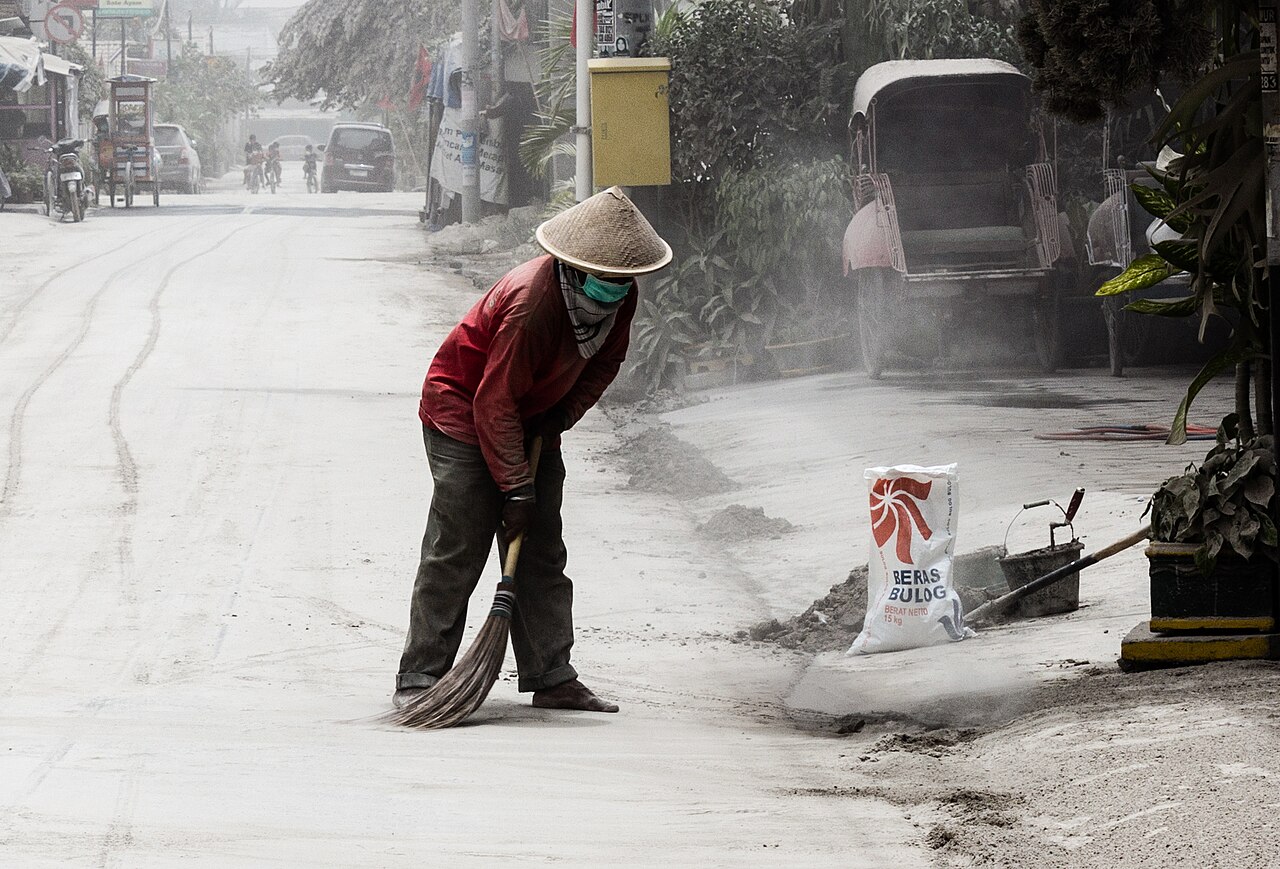
Yogyakarta's compact territory of just over 3,170 square kilometers—making it the second-smallest province after Jakarta—packs an extraordinary range of geological features. Mount Merapi looms to the immediate north of the city and Sleman Regency, recognized as Indonesia's most active volcano with regular eruptions documented since 1548. Its October–November 2010 eruption killed and injured many while temporarily displacing around 100,000 residents. Beyond the volcano, the Geological Agency of the Ministry of Energy and Mineral Resources has designated nine geo-heritage sites across the region. These include Eocene limestone formations in Gamping, the striking pillow lava outcrop along the narrow Dengkeng River in Berbah, pre-historic volcanic sediment near Candi Ijo in Prambanan, coastal dunes at Parangtritis Beach, the Kiskendo cave, a former manganese mining site in Kleripan, a prehistoric volcano in Nglanggeran that has been developed as a tourist destination, the Wediombo-Siung beaches, and a bioturbation site in Kalingalang. Together these sites span multiple regencies and showcase deep geological time.
A Name with Mythic Roots
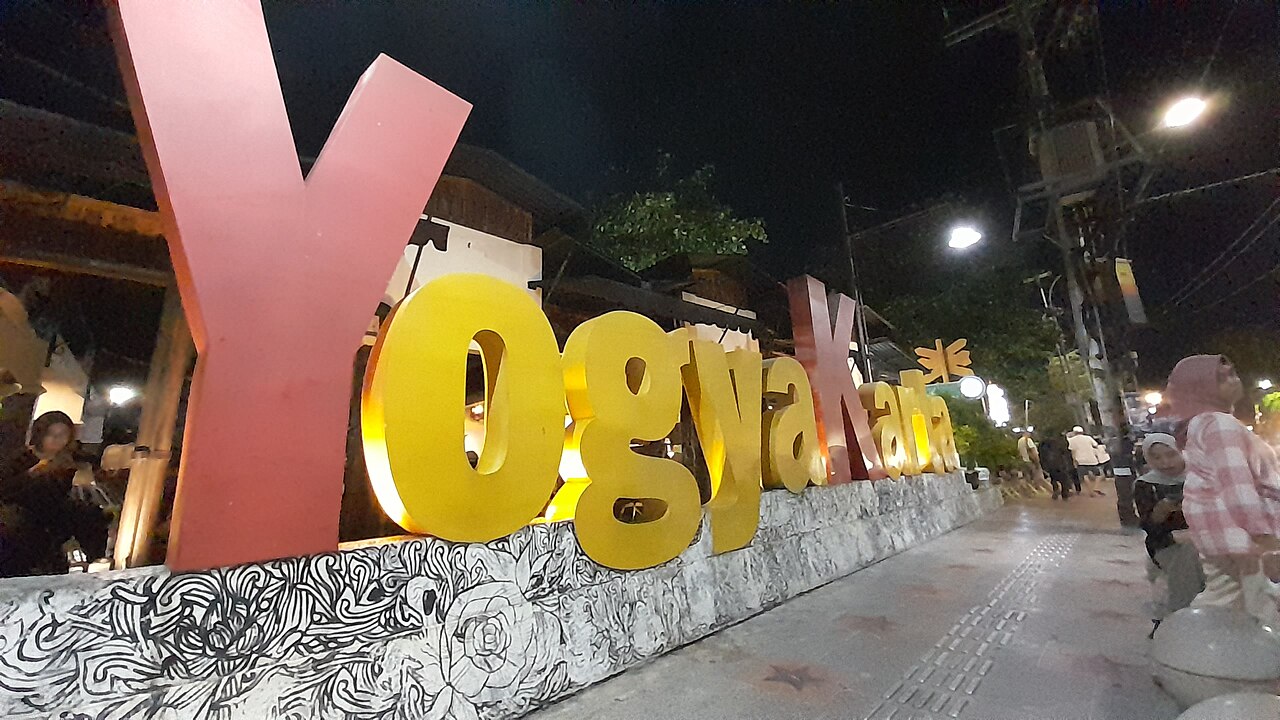
The name Yogyakarta carries a mythological weight that reaches back to Javanese-Hindu tradition, derived from the legendary city of Ayodhya. In Javanese, the full pronunciation is [joɡjaˈkartɔ], and the Dutch colonial-era spelling rendered it as Djokjakarta. Despite "Yogyakarta" being the official designation, the shortened form "Jogja" has become far more popular in everyday usage, to the point that even government tourism materials favor the abbreviated version for its ease of pronunciation. Other variants such as "Jogjakarta" and "Ngayogyakarta" are widely encountered but are technically considered common mistakes rather than proper names. The region's Javanese formal name, Panagara Mirunggan Ngayogyakarta, reflects the elevated status of the territory. This layered naming history mirrors the broader cultural identity of a place where ancient Javanese tradition, colonial history, and modern Indonesian nationhood all intersect, and where the city of Yogyakarta itself remains a major cultural center and popular tourist destination drawing visitors from across the archipelago.
Gallery

Frequently Asked Questions
How does Yogyakarta's dual leadership work?
The region is jointly governed by the Sultan of the Yogyakarta Sultanate and the Duke of Pakualaman, making it the sole officially recognized diarchy in Indonesia's governmental structure. Both hereditary rulers share concurrent authority over the territory rather than one superseding the other.
Why is the Special Region of Yogyakarta considered unique among Indonesian provinces?
It is the only province in the country where two hereditary rulers hold simultaneous governing authority, a diarchic arrangement no other Indonesian province replicates. This co-rule by the Sultan and the Duke sets it apart from every other province that operates under a single gubernatorial system.
What role does Yogyakarta play in Indonesian culture?
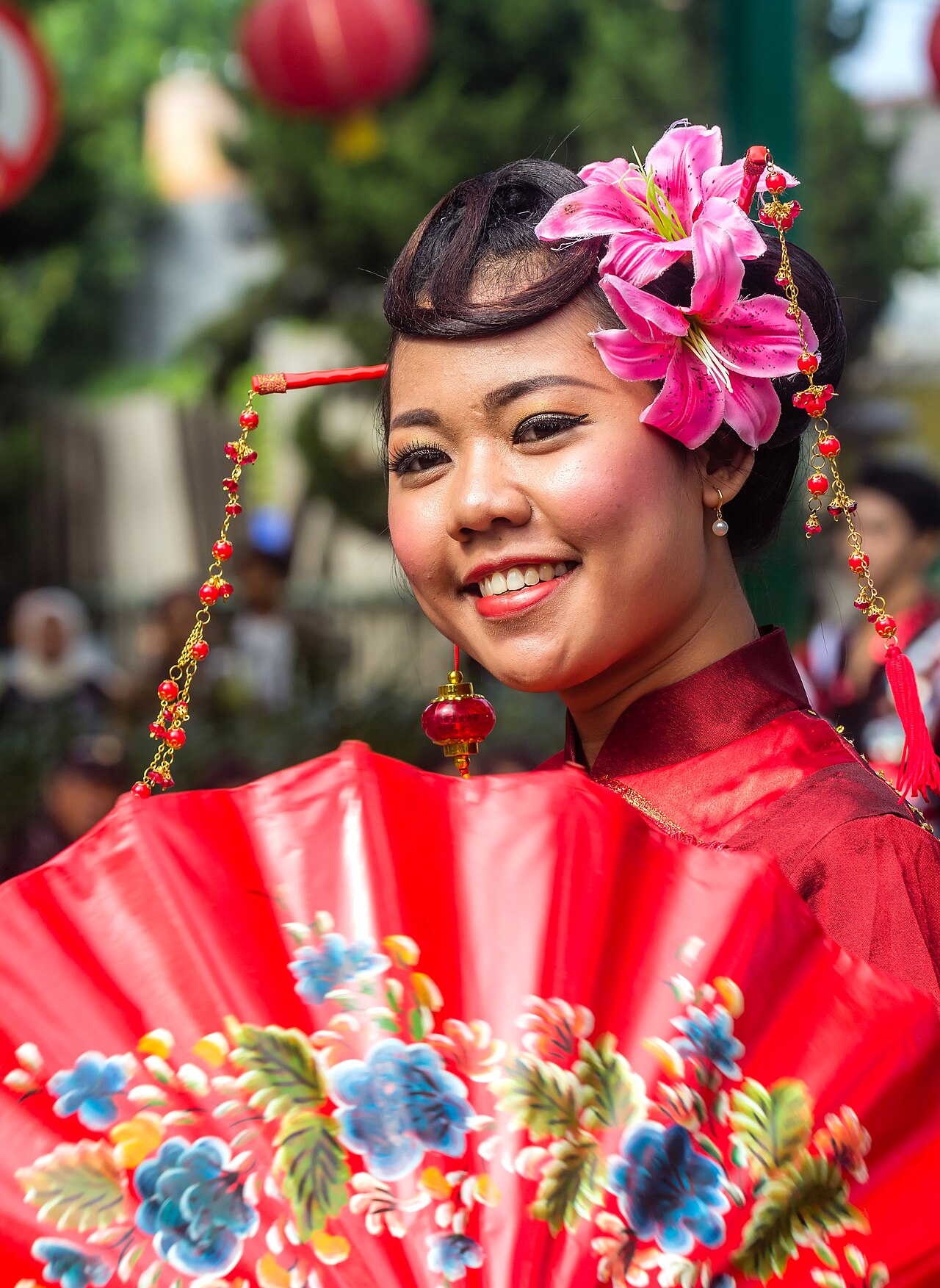
The region serves as a major center for classical Javanese performing arts, crafts, and intellectual traditions, drawing visitors from across the archipelago and abroad. Its cultural prominence is deeply intertwined with the court traditions maintained by both the Sultanate and the Pakualaman duchy.
How does the Special Region of Yogyakarta relate geographically to Central Java?
Yogyakarta is completely encircled by Central Java Province on its northern, eastern, and western land borders, while its southern edge opens directly onto the Indian Ocean. This makes it a semi-enclave that is geographically nested within a larger province yet retains its own separate provincial status.
More in Provinces Of Indonesia 25-26
Elsewhere in the Provinces Of Indonesia universe
Spotted an error? Know more?
This is a living reference — every entry is fact-audited, and reader corrections feed straight into our audit queue. Suggest an edit · See this site's audit record